


Battery energy storage and EV charging
Power where the grid falls short.
Flexible solutions to grid constraints, built from EV batteries already on our roads. MAX battery storage powers your site, on-grid or off-grid. MEV battery chargers rapid-charge your EVs from the supply you already have.
Find your power
Not enough grid? Two ways round it.
Battery energy storage that works from the supply you already have, with no grid upgrade. Choose MAX when power needs to move with the work. Choose MEV for rapid charging that stays put at your depot.

Powers anything,
anywhere.
- 328kWh to 1.5MWh, on-grid or off-grid
- Tow, lift or drop it where the work is
- Optional integrated EV charging, up to 1.28MW
- Powers sites, plant and chargers, replacing diesel
From £99,000 MAX300 with DC charging, excluding VAT
Explore MAX
Charges your fleet where it parks.
- 200 or 300kW rapid DC charging
- Charging within two hours of delivery, no grid upgrade
- Built for fleet depots, ready for public charging
- Moveable if your depot or lease changes
From £70,000 excluding VAT
Explore MEVTrusted on site by








The challenge
The grid can't keep up. Diesel is no answer.
Sites and fleets need more power than connections allow; they need it now, not in years.
Power on site for fleets and plant.
To wait for a new grid connection.
To upgrade the supply at one site.
Costly, noisy and restricted on site.
The MAX range · Powers anything, anywhere
Battery energy storage that goes where the work is. It powers sites, replaces diesel and runs integrated or satellite EV chargers, on-grid or off-grid. Tow it, lift it or drop it into place.
The MAX range
Four systems from 328kWh to 1.5MWh.
One platform. The architecture, software, safety systems and support are common across the range, so the only decision is how much power and capacity your site needs.
Battery as a buffer
- Charge off-peak or from solar.
- Boost peak power above your limit.
- Back up the site in under 40ms.
- Earn from grid flexibility markets.
Battery as a generator
- Charge from DC, a MAX or a generator.
- Power quietly, zero local emissions.
- Top up from a generator if needed.
- Save fuel, run hours and emissions.

MAX300
- Capacity
- 328kWh
- Continuous power
- 88, 140 or 280kW
- DC charging
- up to 400kW
Under 3.5t on its trailer, towed on a standard licence.
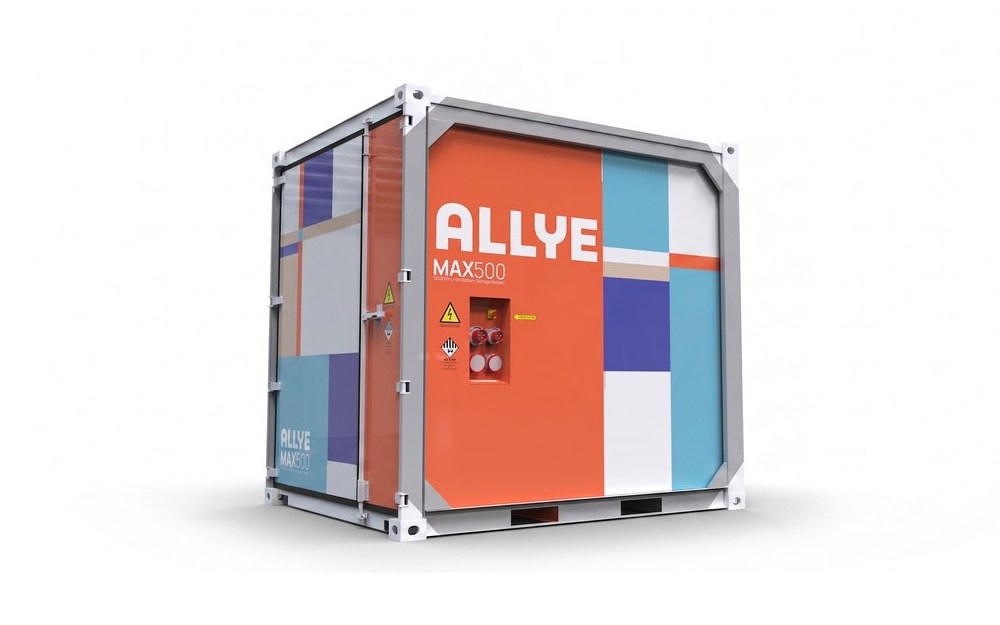
MAX500
- Capacity
- 492kWh
- Continuous power
- 210 or 420kW
- DC charging
- up to 480kW
Compact 10ft footprint, lifted into place on any site.
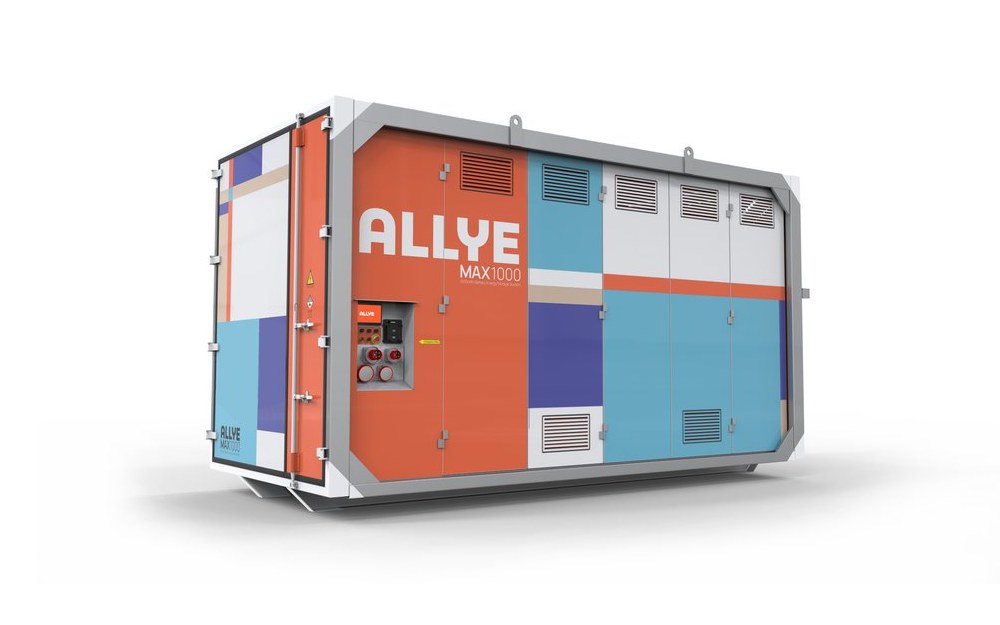
MAX1000
- Capacity
- 984kWh
- Continuous power
- 420 or 840kW
- DC charging
- up to 1.28MW
Drop and Go from a hooklift truck in under two minutes.
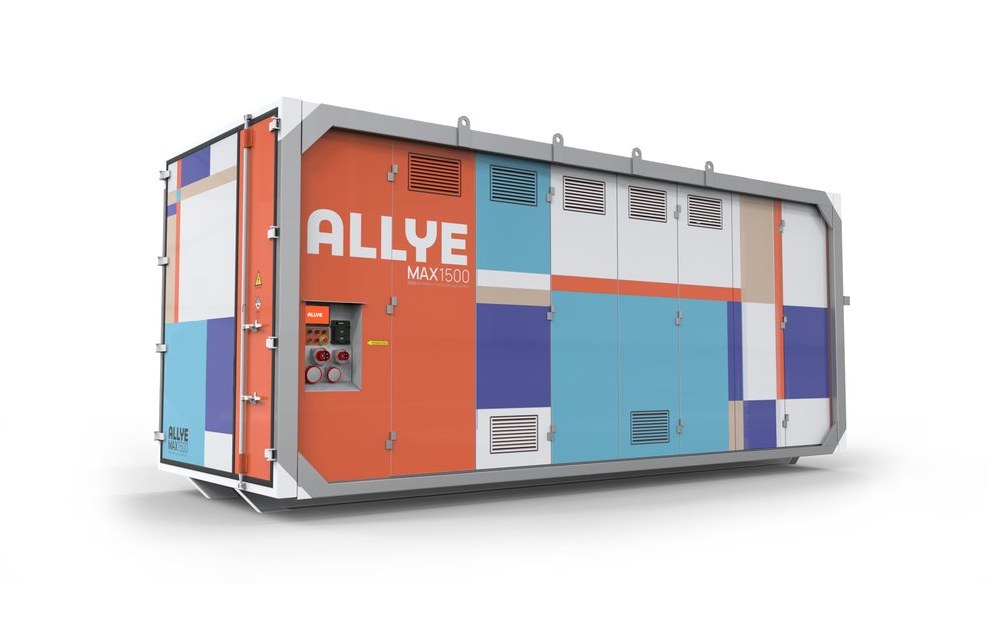
MAX1500
- Capacity
- 1,476kWh
- Continuous power
- 630 or 1,260kW
- DC charging
- up to 1.28MW
Our highest power, Drop and Go in a 20ft footprint.

Up to 1.28MW of charging.
No grid upgrade.
Your fleet is ready to go electric. Your grid connection isn't. MAX stores energy from the supply you already have, or charges off-grid, and releases it at high power.
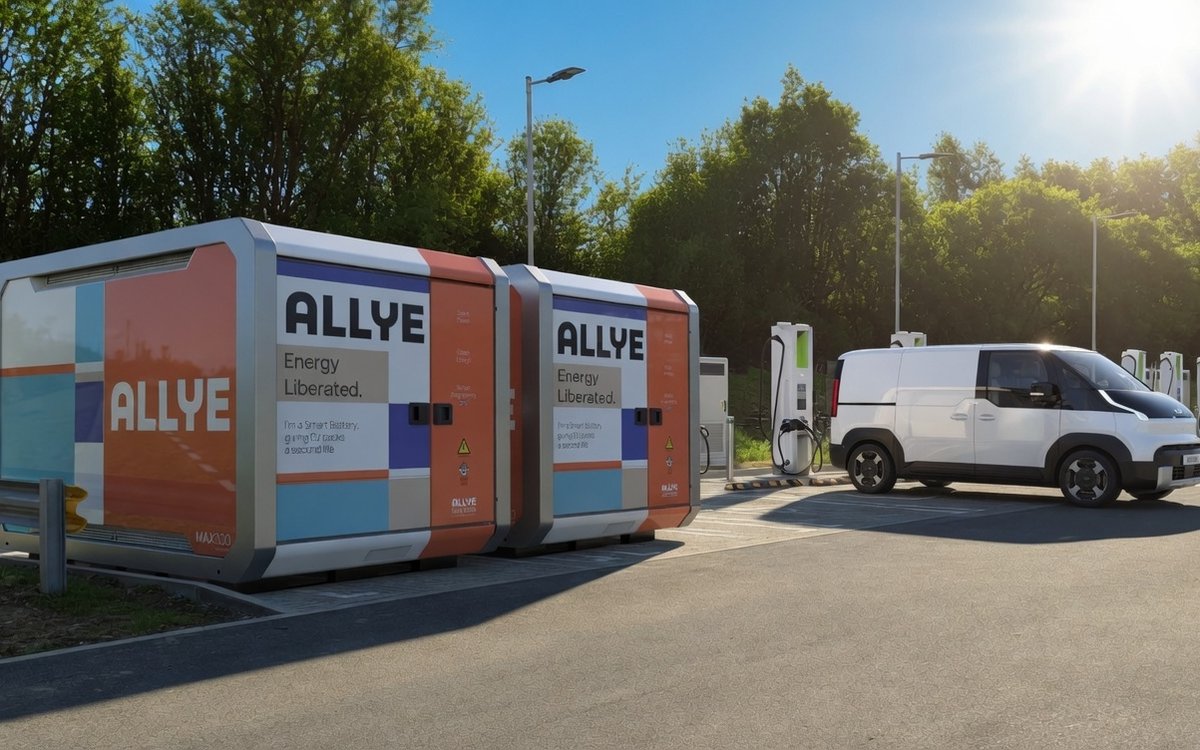
Buffer your chargers
MAX charges from a small supply and runs any charger at full speed.
DC fast charging from 32A. £300k grid upgrade deferred, live in a day.
Read the case study →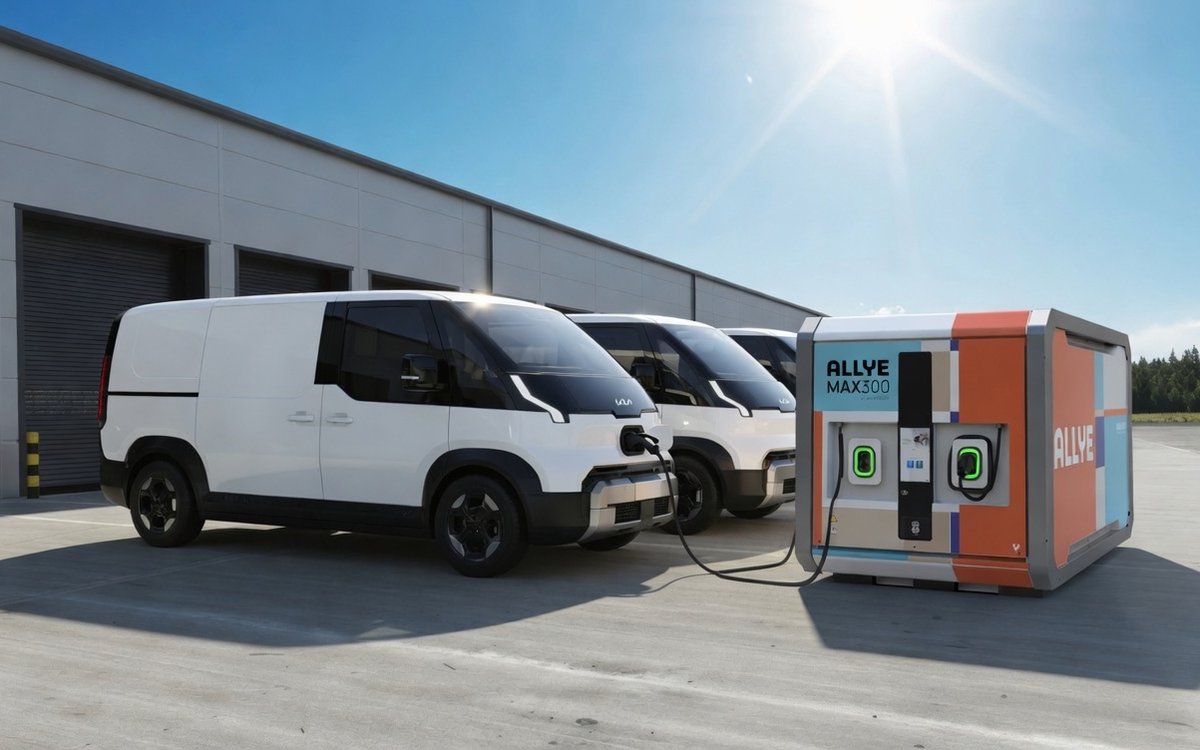
Charge standalone
Chargers built in, recharged from DC, another MAX or a generator.
Four MAX500s charge excavators, no grid. Over £30k a week saved.
Read the case study →Each DC charger has two outlets. The power quoted is the total, shared when two vehicles plug in.
See EV charging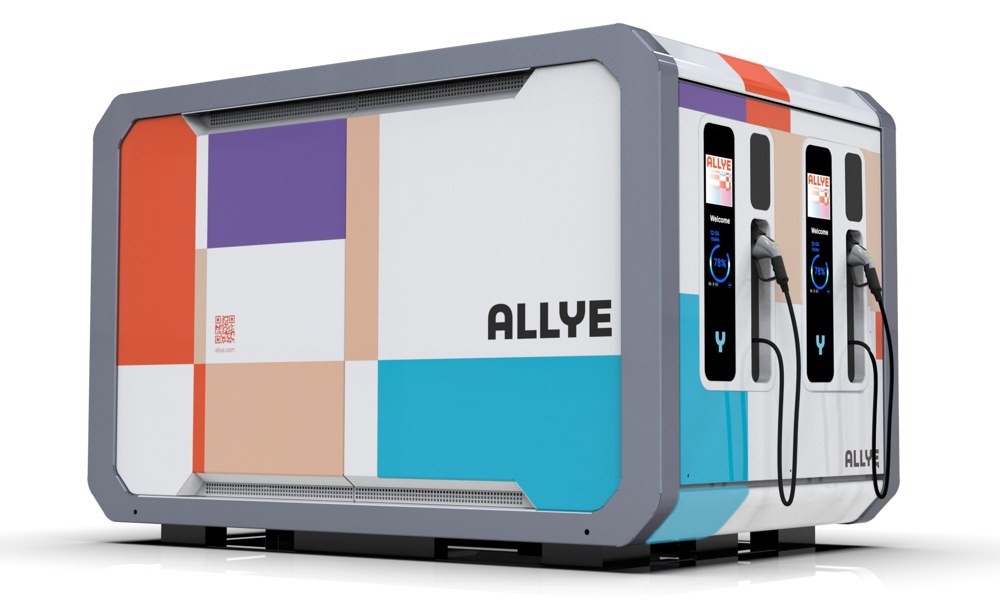
- AC
- 11 or 22kW
- DC
- 60, 120, 240 or 400kW
Up to 400kW of DC charging from a unit that fits in a standard parking space. Run it totally off-grid, or connect it to any supply, even single-phase.
MAX300 with integrated DC charging starts at £99,000 excluding VAT, depending on specification.
Sites we power
One system. Multiple ways to beat the grid.
Start with your problem. Every page shows the saving, the proof and the MAX that fits.
 On and off-grid
Charge your fleet.
Skip the grid upgrade.
Depots, hubs, vans, trucks and buses On-grid
Keep the power on.
Lose the diesel.
Estates, gardens, zoos and heritage On-grid
Use your own power.
Cut your bill.
Commercial and industrial sites On-grid
Stay under your limit.
Stay open.
Motorway services, hospitality and retail On-grid
Bridge the wait for the grid.
Without diesel.
Data centres and AI compute halls Off-grid
Power the site.
Not the diesel bill.
Construction, infrastructure and plant Off-grid
Quiet on set.
And on the fuel bill.
Film, TV, broadcast and live events Off-grid
Hire out hybrid power.
Burn half the fuel.
Power rental and plant hire fleets Off-grid
Keep homes powered.
Without the diesel.
Network operators and utilitiesThe MEV range · Charges your fleet where it parks
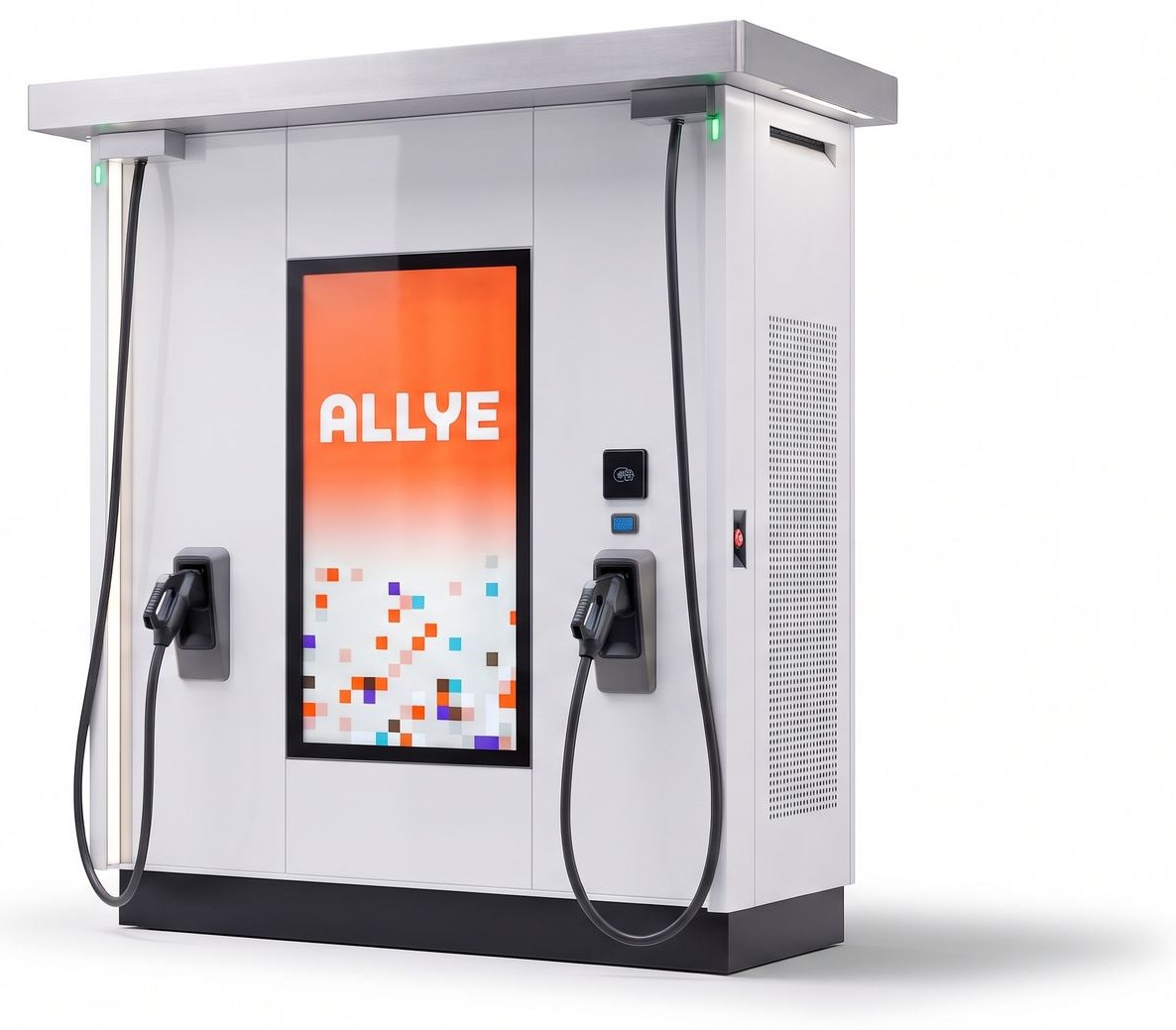
A battery-buffered rapid charger for fleet depots, and ready for public charging too. Power in hours, not years: it turns the supply you already have into rapid DC charging, and moves with you if your depot changes.
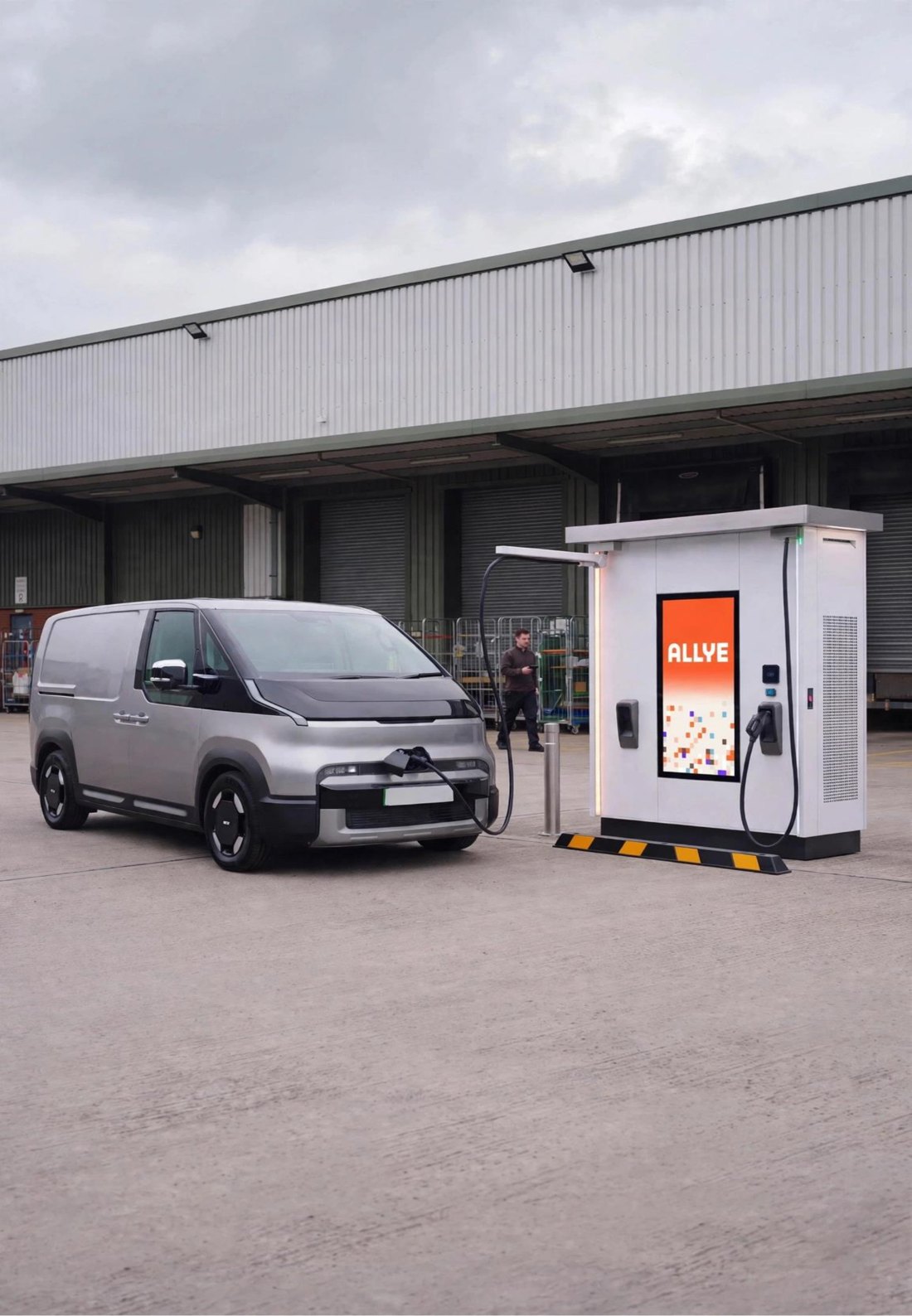
Power in hours, not years.
- Charging vehicles within two hours of delivery
- Up to 10 vehicles a day on a 63A supply
- Recharges off-peak and earns from grid services when idle
- Optional 65-inch advertising screens
- Moveable if your depot or lease changes
MEV with integrated DC charging starts at £70,000 excluding VAT, depending on specification.
MEV200
Depots with vans, cars and pool vehicles that return to base, on a supply of 32A three-phase or less.
- DC charging
- 200kW
- Capacity
- 155kWh
- Supply
- 16A to 125A 3ph
- Single-phase
- Option
MEV300
Busier depots, larger vans and trucks, and sites with a 63A or larger supply.
- DC charging
- 300kW
- Capacity
- 232kWh
- Supply
- 16A to 125A 3ph
- Single-phase
- Option
Fleets we charge
Built for depots of every kind.
Logistics, delivery, councils and waste, service fleets, corporate and emergency services: see how MEV, with MAX alongside, fits yours.
 MEV and MAX
Logistics depots
Van fleets charged between rounds MEV and MAX
Delivery
Last-mile vans at the cross-dock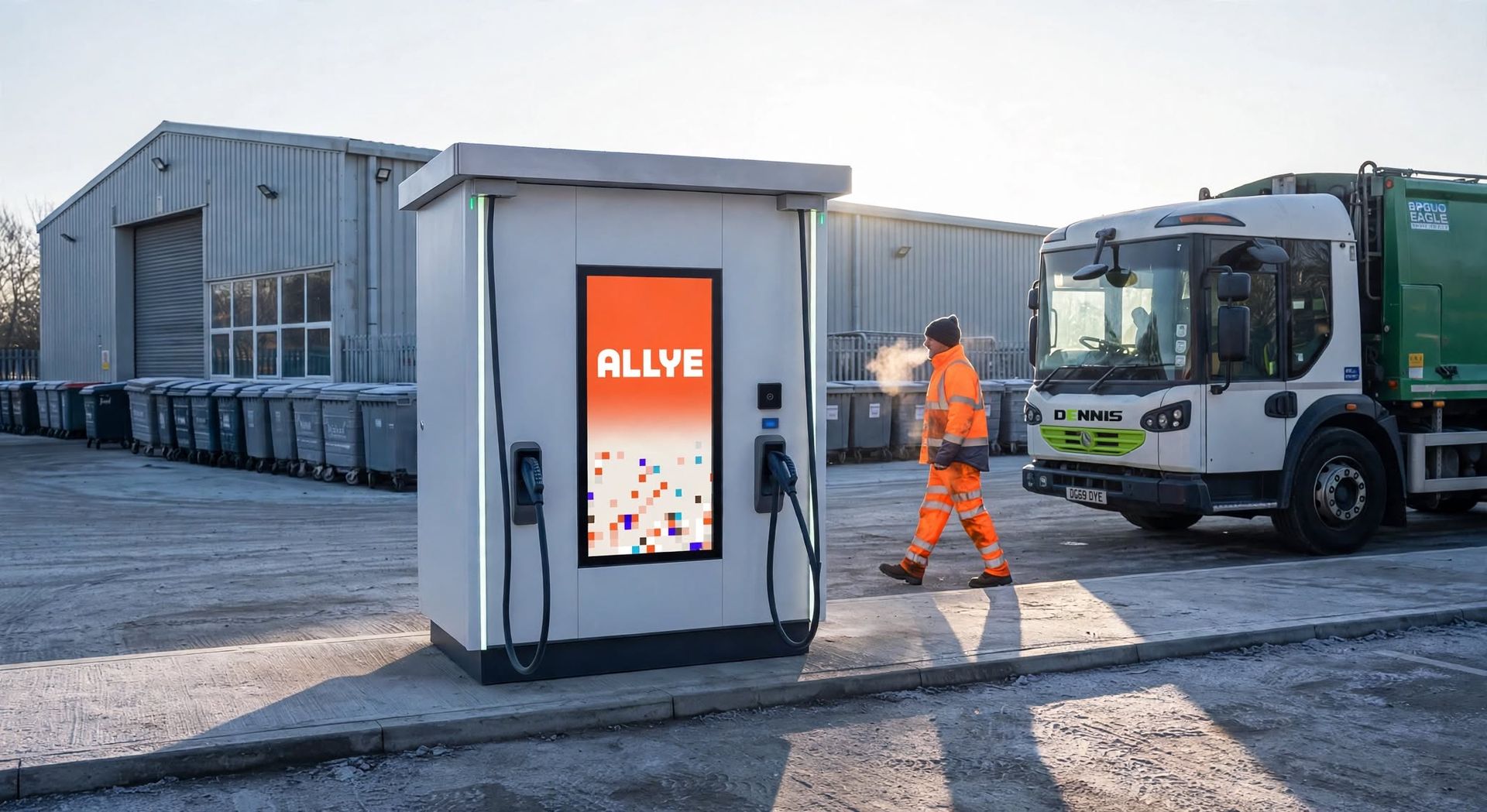 MEV and MAX
Councils and waste
Refuse, sweepers and council fleets MEV and MAX
Engineering and service fleets
Service vans at remote yards MEV and MAX
Corporate fleets
Pool, hire and taxi fleets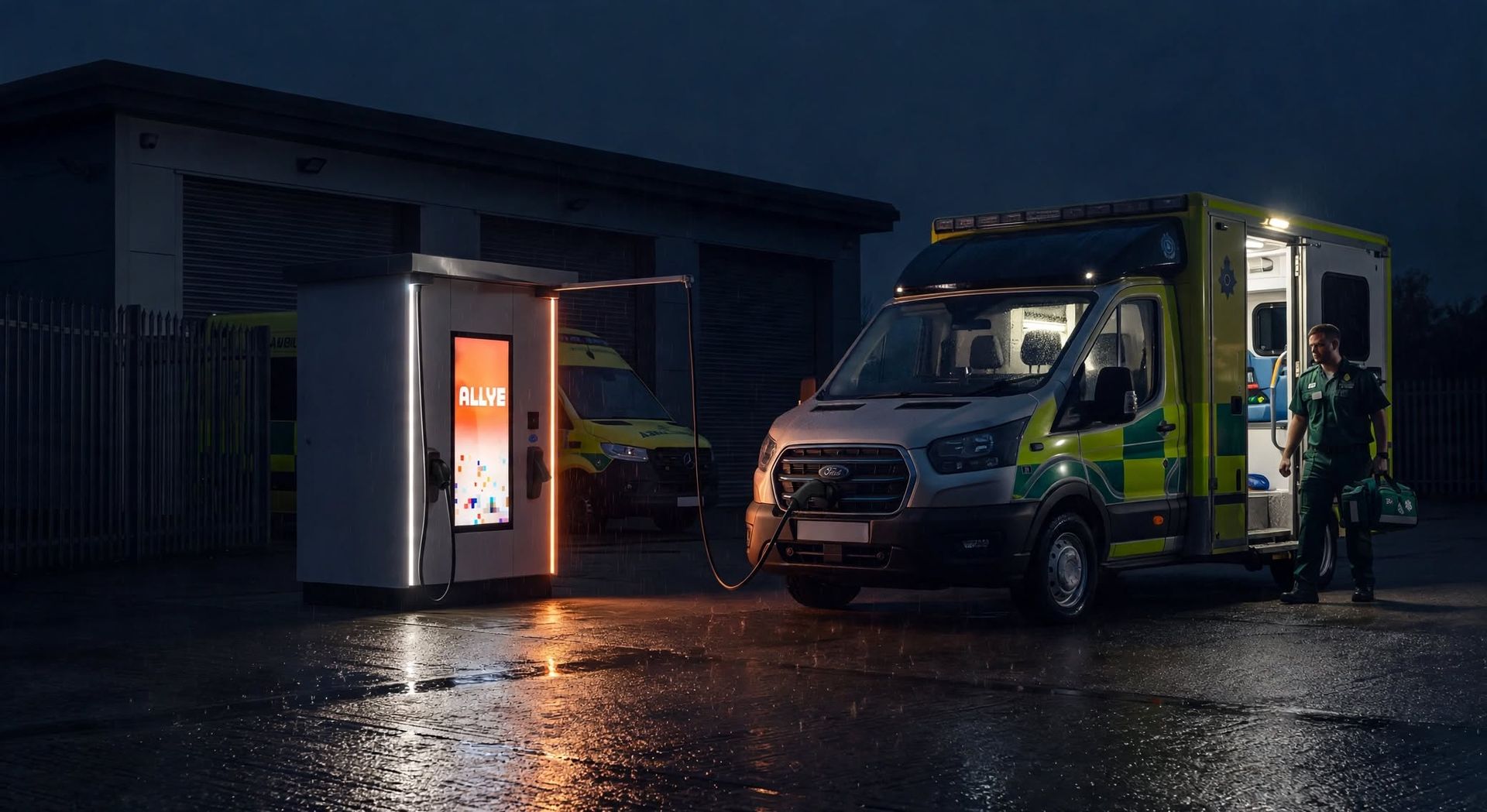 MEV and MAX
Emergency services
Ambulance, police and fireProven
Real sites, real savings.
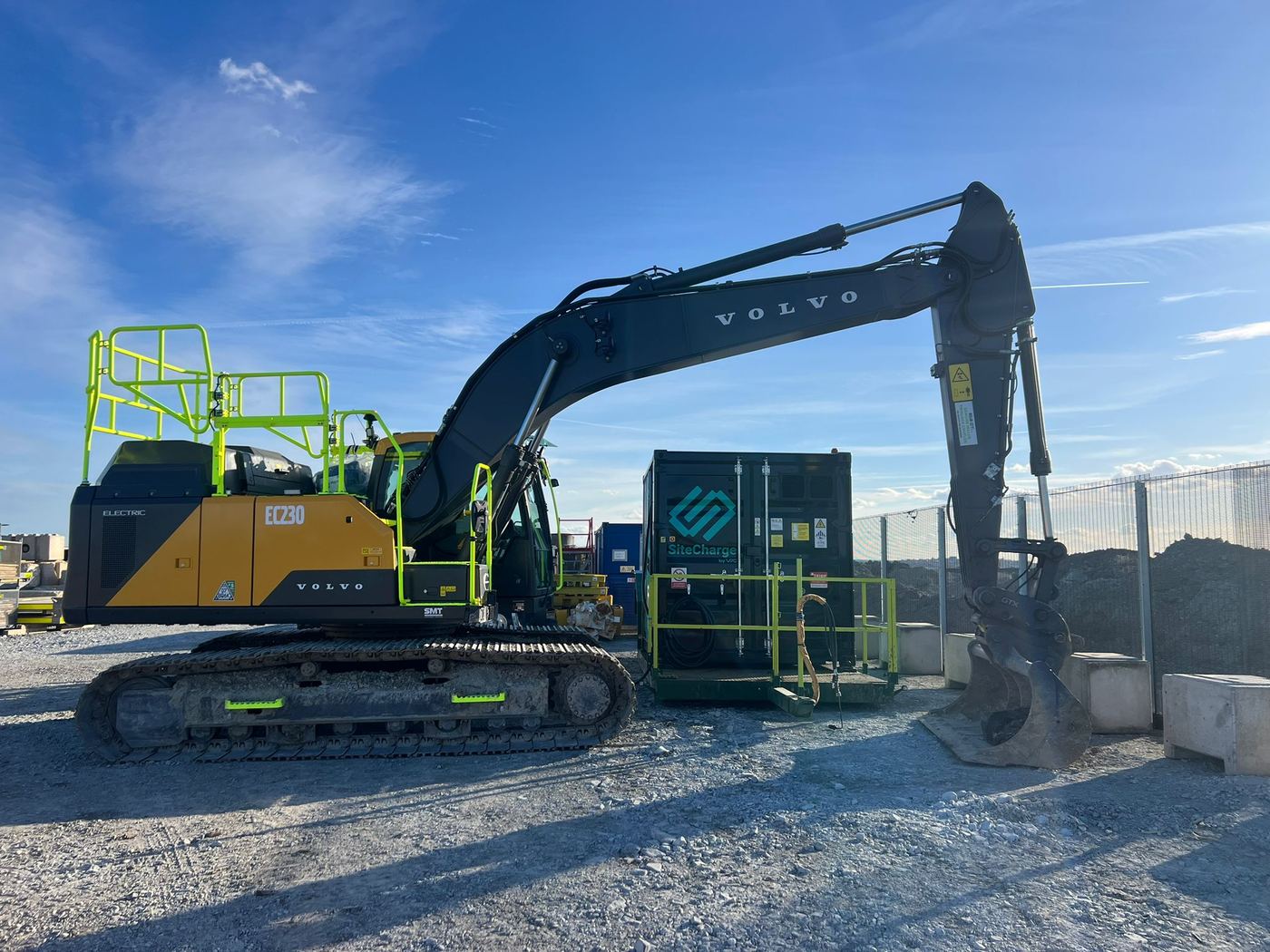
Lower Thames Crossing
>£30k a weeksaved in diesel and generator costs
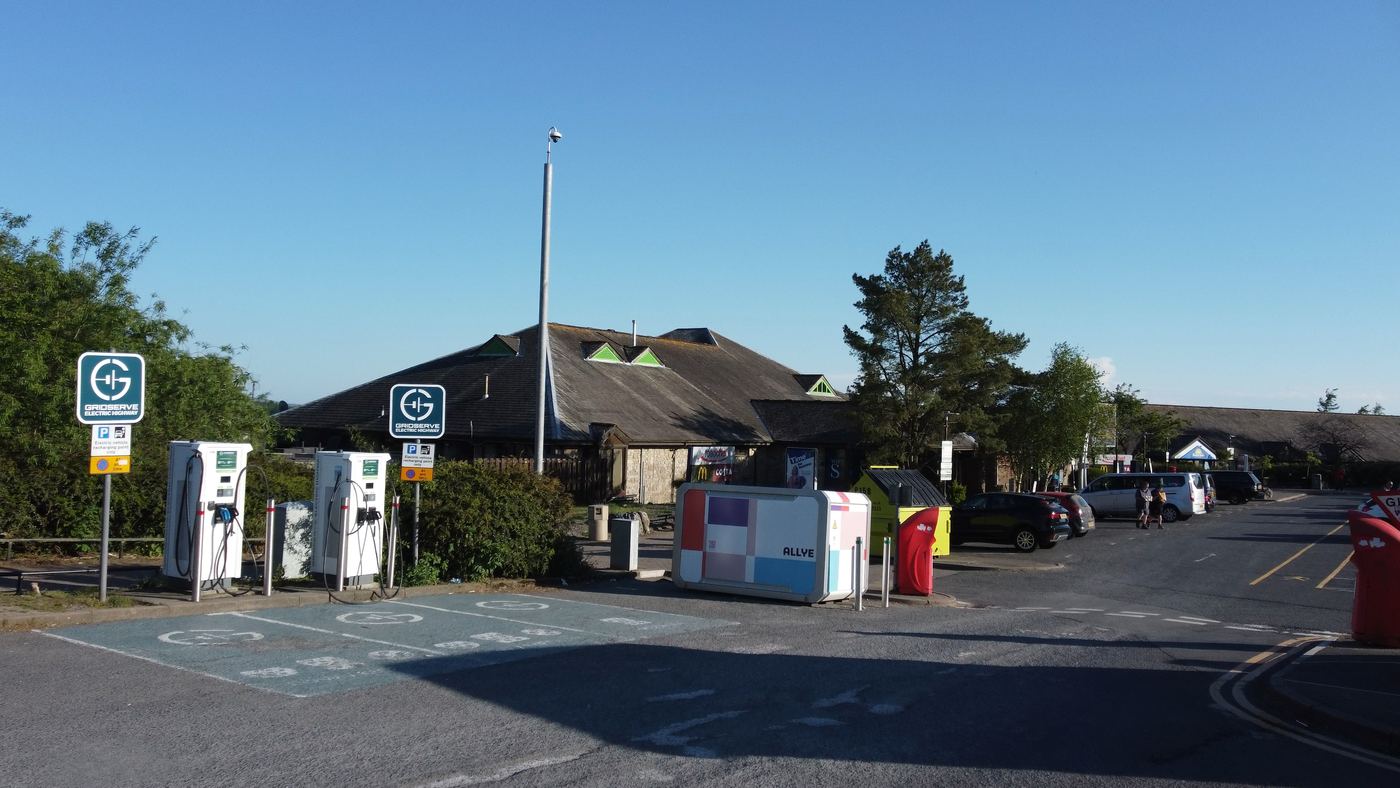
Roadchef
£120ksaved in year one from peak support
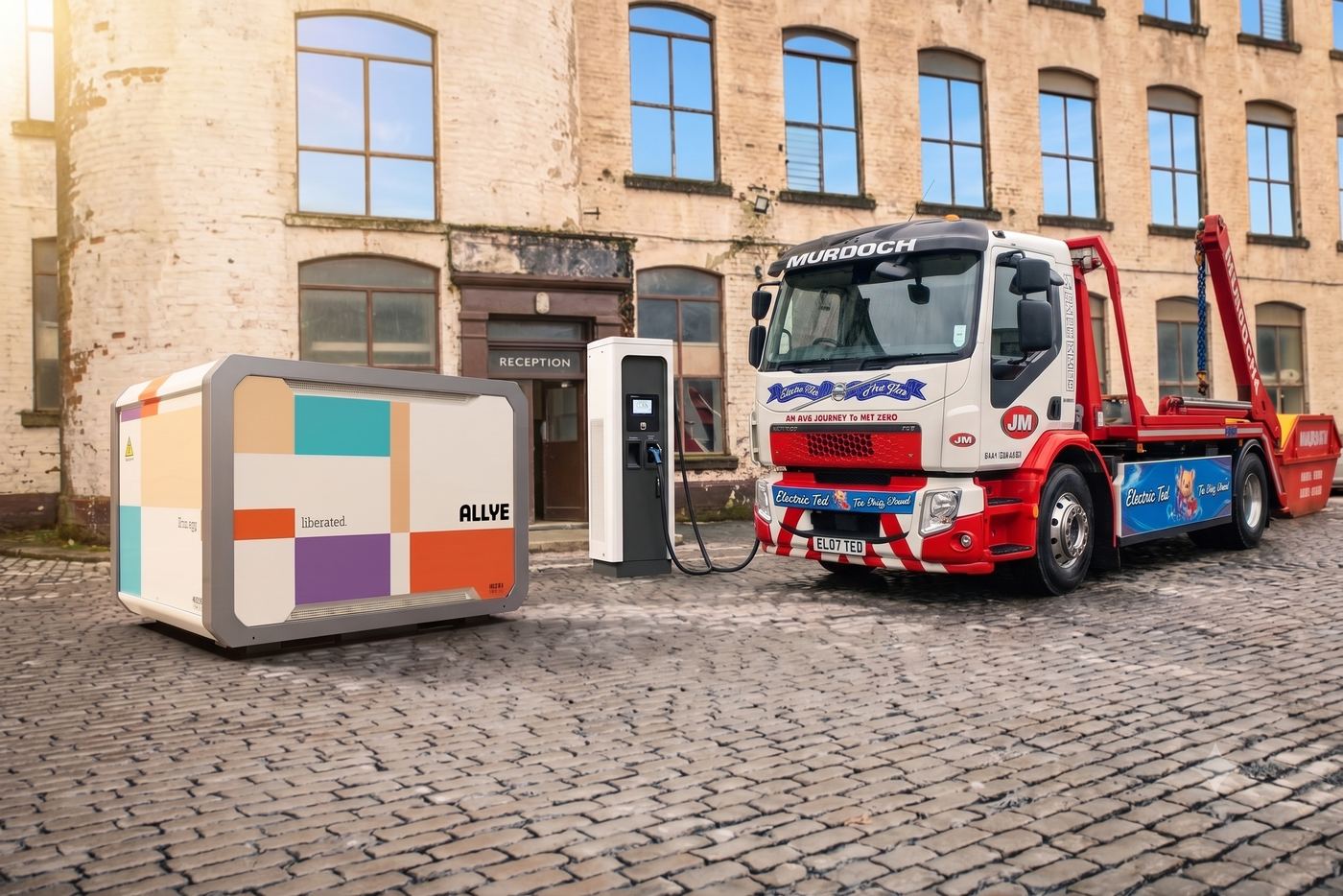
J&M Murdoch
£300kgrid upgrade deferred, live in a day
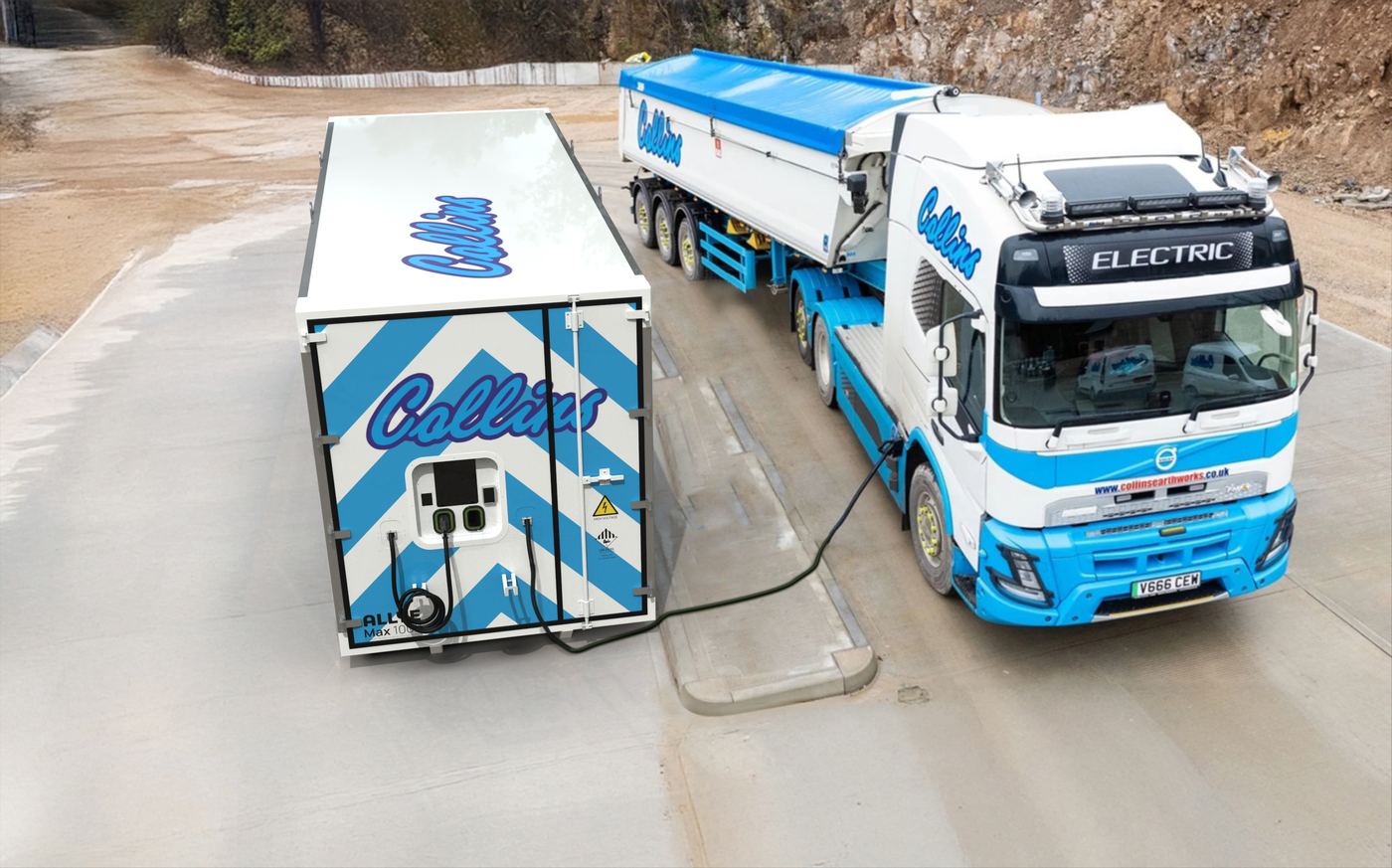
Collins Earthworks
£2,500 a weeksaved in diesel on electric trucks
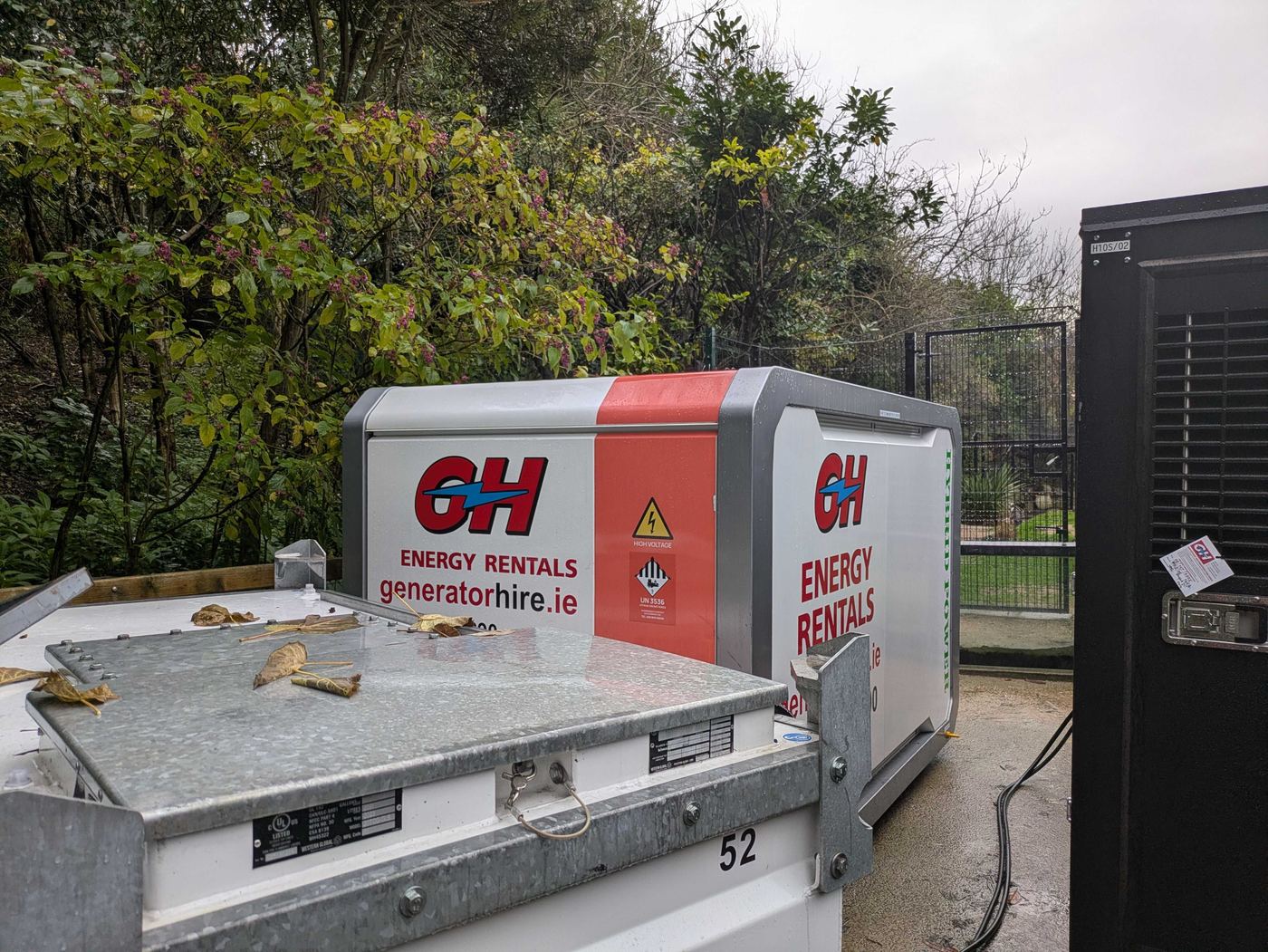
Horizon Plant
70% less fuel£1,500 a week saved per tower crane
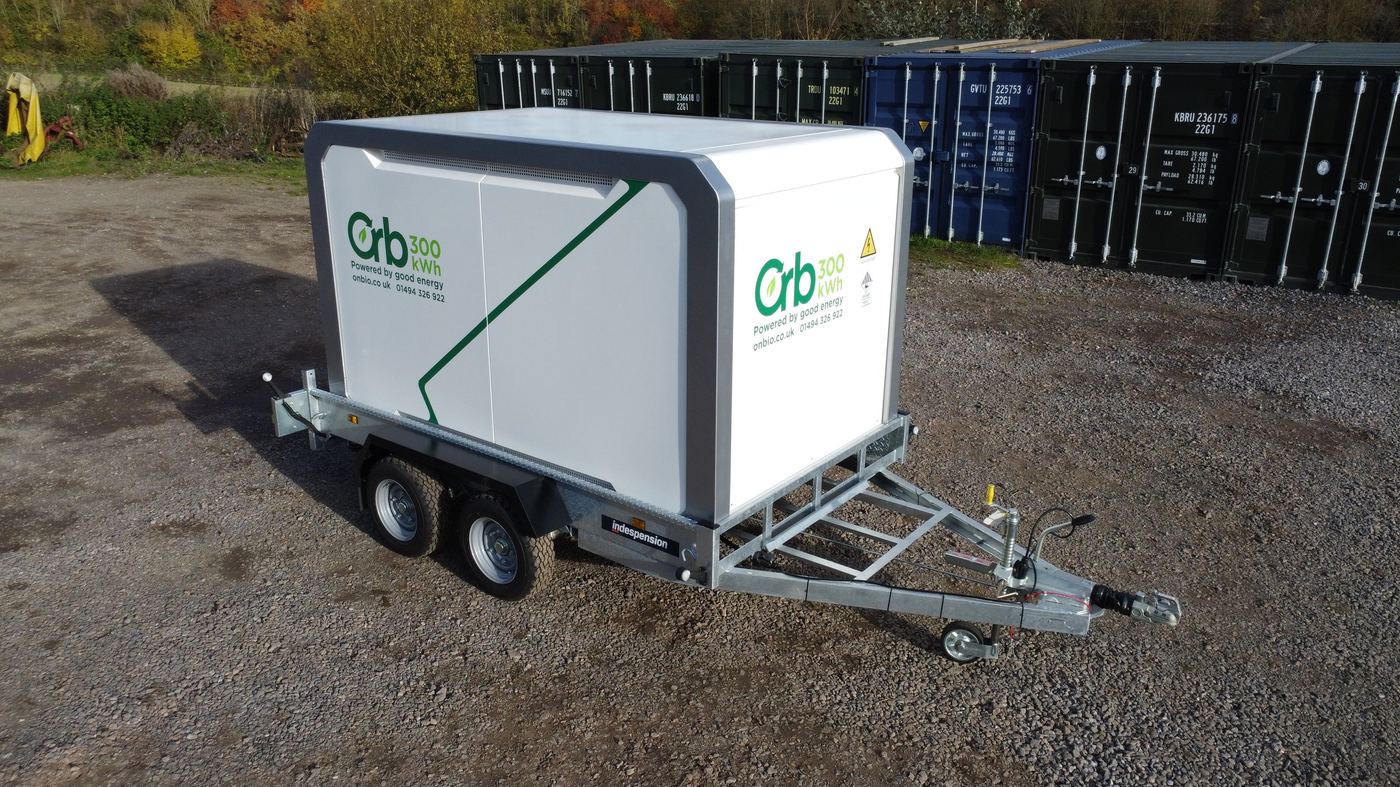
OnBio
£1,000 a weeksaved on power on set and location

"Class-leading product and service with lightning-fast response whenever we need them."David O'Neill, Horizon Plant
Ways to buy
Buy it, or lease it as a service.
Own MAX or MEV outright, or take energy storage or EV charging as a service: a fully serviced, financed lease for one monthly fee.
Own it outright
With the platform package: monitoring, over-the-air updates, remote support and a warranty extended to five years.
One monthly fee
Energy storage or EV charging as a service. Fully serviced and financed: the benefits without the capital investment.
No upfront capital
Charging and storage become an operating cost, not a capital project.
Fully serviced
Installation, maintenance, monitoring, software updates and support are all included.
No residual risk
We own the system and its batteries, so you carry no risk on their value or end of life.
Grow as you need
Add storage or charging as your site or fleet grows, instead of paying for capacity years in advance.
One predictable fee
A single monthly payment that you can budget for, with no surprise repair bills.
Upgrades included
Your system keeps improving through over-the-air updates for the life of the lease.
Repurposed batteries
First life on the road. Next life on the grid.
MAX and MEV are built from EV battery packs that keep their original battery management and liquid cooling. Designed, engineered and assembled in our London facility.
Service and support
Backed by the team that builds it.
Every MAX and MEV is supported by the UK engineers who designed, built and commissioned it, whether you buy or lease.
Monitored 24/7
Every pack watched from the cloud, so we see issues before they cause downtime.
Remote support
Direct access to the engineers who built your unit, with over-the-air updates.
UK field support
Engineers on site when a visit is needed, to service levels agreed with you.
Up to 5-year warranty
Three years as standard, extended to five with the platform package.
FAQ
Questions buyers ask
What is the difference between MAX and MEV?
Both charge electric vehicles from the supply you already have. MAX powers anything, anywhere: battery storage that goes where the work is, powering sites, replacing diesel and running integrated or satellite EV chargers, on-grid or off-grid. MEV is dedicated: a battery-buffered rapid charger that stays put at your depot, charging your fleet from the supply you already have, and can be moved if your depot changes. It can also serve public charging. Many fleets use both.
Can MAX charge EVs without a grid upgrade?
Yes. On-grid, MAX charges from your existing supply and powers DC chargers at full speed: J&M Murdoch runs DC fast charging from a 32A supply and deferred a £300k upgrade. Off-grid, MAX charges vehicles directly at up to 1.28MW DC and recharges from any public or depot DC charger.
Can MAX replace a standby generator?
Yes. With SyncFlow, MAX transfers loads from grid to battery in under 40ms and earns from grid flexibility while it waits. Modelled on a MAX300 replacing a 200kVA standby generator, the saving is £10,900 a year, £131,000 over a 12-year battery life.
How long does it take to get a MAX on site?
12 to 14 weeks from order to power on site. Units are pre-commissioned in our factory and run in minutes: tow a MAX300, lift a MAX500, or drop a MAX1000 or MAX1500 off a hooklift truck in under two minutes.
Are repurposed batteries safe?
MAX uses automotive packs certified to ECE R100 that keep their own battery management and liquid cooling. Every cell is monitored 24/7, every pack has a pyro fuse, and Stat-X aerosol suppression is available on every model. The system is CE and UKCA marked and designed to UL9540A.
Power your site. Charge your fleet.
Tell us about your site, your vehicles and the supply you have today. We'll recommend MAX, MEV or both, and model the savings, sizing and CO2 before you commit.
sales@allye.com+44 (0)20 805 06560